Weekly Picks

Avatar World

Love Tester

Avatar World 2

Avatar World 2025

Shoujo City

SAKURA School Simulator

Avatar World Update

Yandere Simulator

Avatar World: City Life


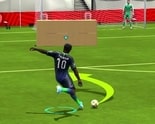
In FIFA Soccer you start every match the same way: zero-zero, a full clock, and nothing decided yet, which is exactly why the opening minutes of a match matter more than most players treat them. This is a fast, arcade-leaning take on soccer built for quick matches rather than long career management, and the whole appeal lives in how directly your shooting and passing translate into a scoreline.
Don’t go in expecting deep league management or transfer windows, this is about picking a side, getting on the pitch, and playing out a match using straightforward controls for passing, sprinting, and shooting on goal. The appeal is immediacy. There’s no long setup between deciding to play and actually taking your first shot.
That simplicity is also the most divisive thing about it. Players coming from deeper football sims sometimes find the mechanics thin, while players who just want a quick match without menus tend to treat that same simplicity as the entire point.
New players overwhelmingly shoot too early, from too far out, instead of working the ball closer and waiting for a cleaner angle on goal. The goalkeeper in most builds like this reacts strongly to shots taken from a tight angle or from distance, and a rushed shot from outside the box gets saved far more often than patience would.
The second common mistake is ignoring corner kicks and set pieces as a scoring tool, treating them as a formality instead of a genuine chance to put a header on target while defenders are still organizing.
Play enough matches and FIFA Soccer stops feeling like a series of isolated shots and starts feeling like a rhythm, work the ball forward, wait for the angle, and only then commit to the shot on goal. That patience is the one lesson every rushed loss in this game is quietly trying to teach.