Weekly Picks

Avatar World

Love Tester

Avatar World 2

Avatar World 2025

Shoujo City

SAKURA School Simulator

Avatar World Update

Yandere Simulator

Avatar World: City Life



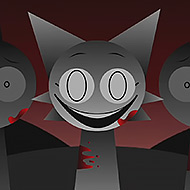
Incredibox: Warm Like Fire But 2026 offers a format where each session becomes a personal challenge. You decide how complex the mix will be, how long the arrangement develops, and when to shift direction. From the first steps you assign roles to performers using icons and make decisions that determine the character of the resulting track. The title supports both structured composing and spontaneous experimentation.
Instead of relying on fixed missions, many players create their own goals. For example, some try to build tracks using only vocal elements, while others limit themselves to specific rhythm types. Incredibox: Warm Like Fire But 2026 makes this possible because any combination of sounds can function as a complete arrangement when organized correctly inside the game session.
Players often wonder how to keep sessions engaging over time. The answer lies in planning a direction before placing icons. Decide whether you want slow rhythm, energetic sequences, or evolving layered tracks. Incredibox: Warm Like Fire But 2026 provides enough variation in loops to support multiple approaches within the same game, making replay sessions different even with familiar icon sets.
Another characteristic feature is the remix style of creation. Instead of finalizing a song and stopping, you keep changing parts while the track continues to play. This approach gives the feeling of live performance. Each swap produces immediate impact, and transitions become part of the composition itself. It trains timing and teaches how to introduce changes without breaking rhythm.
So-called “hacks” usually mean efficient strategies rather than external tools. For example, players learn to identify icons likely connected to hidden scenes and test orders around them. Incredibox: Warm Like Fire But 2026 supports this exploratory play because secret content is woven directly into arrangement mechanics of the game.
In conclusion, Incredibox: Warm Like Fire But 2026 allows players to turn music building into self-directed challenges and long remix sessions. By setting personal goals, planning structure, and experimenting with continuous transitions, each user can shape distinctive tracks that develop over time and remain engaging through repeated play.