Weekly Picks

Avatar World

Love Tester

Avatar World 2

Avatar World 2025

Shoujo City

SAKURA School Simulator

Avatar World Update

Yandere Simulator

Avatar World: City Life


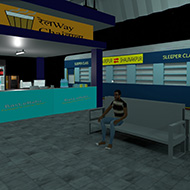
Railway Chai Wala begins with a simple objective that quickly grows into something much more engaging than serving cups of chai. Ramu spends each day working at Fakripur railway station, welcoming travelers, preparing fresh drinks, and keeping the tea stall running while the station follows its familiar rhythm. The game steadily introduces new story elements through observation instead of dramatic interruptions, allowing players to become comfortable with the environment before the mystery starts drawing more attention. This gradual progression encourages patience and makes even ordinary moments feel important as the narrative continues to unfold.
| Genre | Narrative simulation |
| Main Character | Ramu |
| Primary Location | Fakripur railway station |
| Main Activities | Serving chai, preparing snacks, exploration |
Although the daily routine follows a familiar pattern, each session gradually gains additional meaning because players begin noticing details that previously seemed unimportant. Serving chai remains a central activity throughout the adventure, yet conversations with visitors and the atmosphere around the station slowly reveal that everyday work is connected to a larger story. This careful pacing helps the game establish immersion without forcing constant action.
Returning to the tea stall after exploring nearby areas reinforces the feeling that Ramu’s responsibilities never disappear. Rather than separating exploration from daily work, the game blends both activities together, allowing each one to strengthen the other. Players who enjoy simulation mechanics often appreciate maintaining this balance because neither responsibility feels unnecessary.
Community discussions regularly describe the opening as rewarding for patient players. Some people expect immediate mystery, while others enjoy the opportunity to settle into the routine before unusual developments begin changing their expectations. That difference in pacing remains one of the most frequently discussed aspects of the game.
Walking around Fakripur railway station becomes increasingly valuable after spending enough time learning its layout. Familiar locations gradually feel more significant because repeated visits allow players to recognize subtle environmental changes and notice conversations that carry greater meaning later in the narrative.
Exploration rewards curiosity rather than speed. Instead of directing players toward every important moment, the game encourages observation and careful movement through familiar spaces. Many players recommend taking extra time between routine responsibilities because the strongest narrative moments often emerge naturally while paying attention to the surroundings.
Exploration-focused players usually revisit previously visited areas after important scenes, while story enthusiasts often spend extra time listening to dialogue before returning to the tea stall. Players who enjoy slower adventures generally appreciate this approach because it allows the station to become memorable through familiarity rather than spectacle.
Immersion develops through repetition instead of dramatic set pieces. Familiar station sounds, daily responsibilities, and the steady rhythm of preparing chai help establish an environment that feels believable throughout the story. As players continue progressing, ordinary moments begin carrying greater emotional weight simply because they have become part of Ramu’s everyday life.
Many community members praise how the atmosphere evolves without abandoning the routine established during the opening portion. Quiet scenes remain meaningful because the station itself feels like an important part of the narrative rather than a simple background location. This design choice appeals strongly to players who value environmental storytelling.
Some players would prefer a faster pace during the earliest sections, while others believe the measured progression is essential for building emotional investment. Regardless of preference, most agree that patience helps reveal the strengths of the overall narrative structure.
Yes. Preparing chai continues to define Ramu’s role throughout the adventure while supporting the unfolding narrative. The routine helps maintain continuity even as exploration becomes increasingly important around Fakripur railway station.
Exploring carefully allows players to appreciate environmental storytelling that might otherwise be overlooked. Familiar locations, conversations, and subtle visual details become easier to understand after spending enough time learning the station through regular daily work.
Fakripur railway station becomes memorable because repeated visits establish a consistent daily rhythm. Preparing chai, observing travelers, and balancing routine responsibilities with exploration create a setting that gradually feels familiar instead of artificial.
Railway Chai Wala succeeds because Ramu’s responsibilities remain closely connected to the changing atmosphere surrounding Fakripur railway station. The combination of serving chai, observing everyday life, and exploring familiar surroundings creates a thoughtful narrative that rewards careful attention from beginning to end.