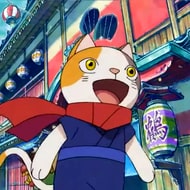
What does it take to become the undisputed champion of an island where a table-tennis-playing tengu, a skateboarding tanuki, and a rugby-loving oni all expect you to beat them at their own game? Doodle Champion Island answers that question with a surprisingly deep action-RPG built around a calico ninja cat named Lucky, seven sports drawn from Japanese folklore and Olympic tradition, and a cast of opponents who each demand a completely different skill to beat.
| Genre |
Action-RPG / Sports Mini-Game Collection |
| Developer |
Google, in collaboration with Studio 4В°C |
| Platform |
Browser |
| Sports / Trophies |
7 sports, 24 trophies |
Lucky Arrives on an Island Full of Champions
You play as Lucky, an anthropomorphic calico cat who washes up on Champion Island with no memory of how she got there and a growing list of locals who need help. The hub area, Trophy House, anchors the whole adventure, and returning there between challenges is where side quests and new leads on the island’s champions usually surface.
The framing is light on exposition and heavy on exploration. Rather than a lore dump upfront, Doodle Champion Island lets you piece together why these seven champions exist through side conversations and environmental storytelling as you explore.
Tengu’s Table Tennis Match Sets the Tone Early
Tengu, a mischievous long-nosed folklore figure, runs the island’s table tennis challenge, and it’s often the first real skill test players encounter after the opening area. The rhythm of the paddle timing here previews something important: every sport on the island reuses the same core action-RPG controls in a completely different context, rather than switching to a separate mini-game engine each time.
New players who expect a simple button-mash tend to lose their first attempt against Tengu. Positioning and timing matter more here than raw reaction speed.
Tanooki City and the Tanuki’s Skateboarding Challenge
The Tanuki, based in Tanooki City, brings skateboarding into the mix, and this challenge leans harder on momentum and route-reading than the more reactive table tennis match did. Chaining tricks and maintaining speed through the course matters more than any single perfect trick.
Tanooki City itself is one of the more visually distinct areas on the island. Players consistently mention its skate-park energy as a tonal shift from the quieter, more traditional areas surrounding it.
Yoichi’s Archery Trial and the Precision It Demands
Yoichi’s archery challenge strips away momentum entirely and asks for pure precision instead, timing draws and reading wind or distance cues to land shots consistently. It’s a noticeably different rhythm from the physical, momentum-driven sports elsewhere on the island.
Players who breezed through Tanuki’s skateboarding trial on reflexes alone often hit a wall here. Yoichi’s trial punishes impatience far more directly.
Facing the Oni at Rugby, With Momotaro’s Help
The Oni, portrayed here as a band of trickster trolls rather than straightforward villains, run the island’s rugby sevens challenge. Momotaro, the legendary peach-born hero of Japanese folklore, lends a hand against them, tying the challenge directly into the story it’s borrowing from rather than treating the folklore as pure decoration.
- Rugby sevens format: Faster and more chaotic than a full rugby match, matching the game’s quicker mini-game pacing.
- Momotaro’s role: Provides context and assistance rather than fighting the match for you.
- Oni’s trickery: Expect the match to bend the rules slightly in ways a straight sports sim wouldn’t allow.
Of all seven challenges, this is the one players most often describe as feeling like a genuine folktale rather than a sports mini-game wearing folklore as a costume. Momotaro’s involvement is a large part of why.
Swimming Against Princess Oto-hime and Urashima Taro
The artistic swimming challenge pulls from the folktale of Urashima Taro and Princess Oto-hime, and it’s one of the more visually elaborate sequences on the island, leaning into flowing, underwater choreography rather than a straightforward race. Timing your movements to the choreography matters more than speed alone.
This is also where the game leans hardest into its Studio 4В°C animation pedigree, and it shows. Players frequently cite this sequence specifically when explaining why Doodle Champion Island gets called one of the most visually ambitious Doodles ever made.
Fukuro’s Climbing Trial and the Kijimuna’s Marathon
Fukuro, an owl who oversees the island’s climbing challenge, tests vertical navigation and stamina management rather than combat or precision timing. Meanwhile, the Kijimuna, a tribe of small tree spirits from Okinawan folklore, host the island’s marathon event, closing out the seven-sport roster with pure endurance.
By the time you’ve cleared both, the difference in pacing across all seven sports becomes obvious. No two challenges on Champion Island ask for the same skill twice.
Collecting Trophies Toward the Trophy House
Beyond the seven headline sports, the island is scattered with 24 total trophies tied to side quests, hidden areas, and optional challenges well beyond just beating each champion once. Completionists treat trophy collection as the real endgame, since beating all seven champions alone leaves plenty of Trophy House shelf space empty.
Some of these extra trophies are tucked behind side conversations easy to skip entirely on a first pass. Going back through the island with the seven champions already beaten tends to surface details a rushed first playthrough misses.
- Do I need to beat every champion to finish the game? Beating all seven is required to complete the main story, but plenty of trophies exist entirely outside those seven matches. A full trophy count demands exploring well beyond the main challenges.
- Can I replay a champion’s sport after beating them once? Yes, most challenges remain replayable afterward. This matters for players chasing better times or scores rather than just a first clear.
Momo and the Hidden Quest Doodle Champion Island Rewards Completionists With
Collect enough of the island’s 24 trophies, and a hidden final quest opens up involving Momo, a black cat whose appearance ties back into Lucky’s own forgotten history. It’s the kind of reward that’s easy to miss entirely on a first playthrough focused only on the seven main sports.
Community guides dedicated specifically to triggering the Momo questline are still actively maintained years after release. That persistence says something about how much this hidden thread stuck with players who found it.
Why Doodle Champion Island Still Gets Called One of Google’s Best
It’s worth acknowledging the obvious limitation here: Doodle Champion Island was taken down from Google’s live site not long after its original run, and playing it now means relying on archived or fan-hosted versions rather than the original hosting. That’s a real barrier for players who hear about it secondhand and go looking.
Barrier aside, the ambition behind it is hard to overstate: seven fully realized sports, a real hub world, folklore-rooted characters, and Studio 4В°C animation, all wrapped inside what’s nominally just a Google Doodle. That combination is still what gets it brought up in conversations about the best browser games nobody expected to be this good.
Whether you’re chasing Tengu’s perfect return, Yoichi’s precise shot, or the last trophy standing between you and Momo’s hidden quest, Doodle Champion Island rewards patience. It asks for the kind of sustained exploration a one-off browser toy almost never bothers demanding.